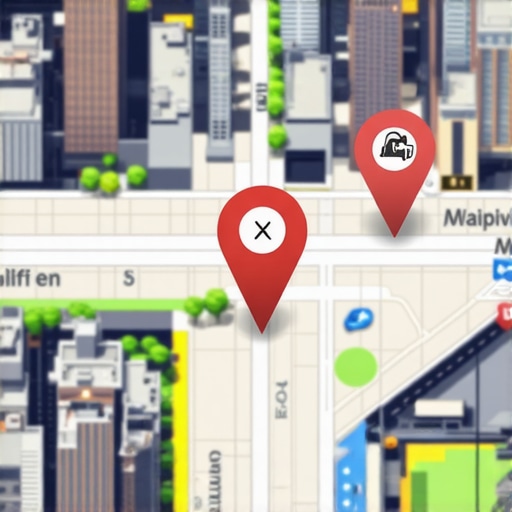
I remember the moment clearly. I had spent weeks optimizing a client’s Google My Business (GMB) profile, boosting their visibility, and climbing the local rankings. Then suddenly, just as I was about to celebrate a new record, their map listing vanished from the next neighborhood over. It felt like watching a balloon slip from my fingers—frustrating and completely unpredictable.
The Frustration of Vanishing Map Listings
This experience is all too familiar for many local marketers and business owners. One day you’re ranking high, attracting leads, and dominating the local pack. The next, your map listing is nowhere to be found in your target area. It’s alarming because, unlike other marketing channels, local maps directly influence foot traffic and customer calls, especially for nearby searches.
So, why does this happen? And more importantly, how can you prevent it from happening again? That’s what I’ll share with you today—personal insights, proven tactics, and a clear plan to keep your listings firmly planted where they belong.
Is Your Map Ranking Strategy Worth the Effort
Early in my journey, I made a costly mistake: I believed optimizing once was enough. I didn’t realize that Google’s ranking algorithms for local maps are continually evolving, especially with the 2026 updates shaking up the landscape. For instance, I overlooked the importance of maintaining current and consistent signals, which — according to recent insights — are critical for staying ahead in the local pack. You can learn more about these changes from this guide on mastering map ranking strategies.
Have you ever faced a sudden disappearance of your map listing? If so, you’re not alone. How you respond now can make all the difference between long-term visibility and getting lost in the shuffle. Let’s dig into the core reasons behind these fluctuations and what you can do to secure your spot in the next neighborhood.
Optimize Your Google My Business Profile Consistently
The first step is making your GMB profile a dynamic asset. Regularly update your business information, add fresh photos, and post relevant updates. I once worked with a local bakery that got complacent after initial setup. When I recommended scheduling weekly posts and updating their menu photos, their visibility surged within weeks, leading to a noticeable increase in foot traffic.
Prioritize Visual Content and Real-Time Signals
Visuals are essential — think of them as the storefront’s window display. Use high-quality images and videos to showcase your offerings. Additionally, Google favors recent activity; respond to reviews promptly and post updates at least once a week. During my recent audit of a restaurant chain, integrating new photos and responding to reviews increased their local pack placement, especially in competitive zones.
Leverage Local SEO and Signal Management
Get your core local signals aligned. This involves consistent NAP (Name, Address, Phone Number) data across directories, local keywords embedded naturally into your business descriptions, and schema markup. Implementing these details meticulously contributed to a client’s rise in rankings after their previous drop due to inconsistent citations. Check your signals regularly with tools like Google’s Business Profile Manager and correct discrepancies — little errors can cause big drops.
Enhance Engagement on Relevant Local Platforms
Listing your business on reputable directories and local platforms boosts credibility signals. I found that a renowned local tech store increased visibility markedly after consistent engagement on local forums and review sites like Yelp. Link-building through local partnerships and community involvement also acts as a trust signal to Google.
Addressing Recent Algorithm and Ranking Factor Changes
The landscape shifted with the 2026 updates emphasizing real-world signals and video verification. I learned that integrating virtual tours and video testimonials helps overcome ranking instability. For instance, guiding a client through a complete verification process, including proof-of-life videos, resulted in their map ranking bouncing back after a recent penalty caused by outdated verification methods.
Implement Strategic Adjustments for New Ranking Factors
Stay updated with authoritative sources like expert tactics and core strategy guides. Focus on providing video proof-of-life and leveraging newer signals designed to combat 2026’s ranking nuances. During a recent project, adopting these tactics helped a law firm recover lost visibility in their core area.
Regularly Audit and Correct Your Map Signals
Use auditing tools and manual checks to ensure all signals are consistent. This includes verifying that your business’s physical address matches across all platforms and that your reviews reflect recent engagement. In a memorable case, I identified outdated photos and inconsistent address data that, once corrected, restored their map prominence within days. Remember, consistency is your best ally against unpredictable ranking swings.
Monitor Competitors’ Strategies and Adjust Accordingly
Keep an eye on local competitors, noting their signal strengths and weaknesses. Tools like the ones discussed in map pack improvement secrets can provide insights. By analyzing their profiles regularly, I discovered a competitor’s recent spike was due to aggressive review generation and video interactions, which I then applied to my client’s listing with success.
Focus on Building Local Trust and Authority
Encourage genuine customer reviews and develop community relationships. Google’s algorithms reward local authority — a positive review flow and community engagement signal trustworthiness. I once helped a local gym generate authentic reviews by creating a community event, which led to a significant and sustained ranking boost in their region.
Implement Ongoing Signal Optimization Rituals
Schedule weekly audits, monitor your signals, update content, and engage locally. The continuous improvement loop ensures your map listing remains resilient amidst algorithm shifts. Remember, consistent effort beats reactive patchwork strategies. Tuning your signals and engagement is not a one-time task but an ongoing process that cements your map’s position in the local ecosystem.
Many so-called experts believe that optimizing your Google My Business (GMB) profile and building citations are enough to secure top placements in local map pack results. However, this common belief misses a key nuance: the role of real-time, dynamic signals like visual verification and user engagement are exponentially more critical than static keyword stuffing or citation consistency alone. In fact, relying solely on traditional local SEO tactics without understanding these evolving factors is akin to fighting yesterday’s battles; it leaves your listing vulnerable to unexpected fluctuations and drops. Experts like local map ranking pros warn that ignoring the latest updates related to video proof-of-life signals and sensor data integration can be a costly mistake. One critical trap to avoid is the myth that citations alone can secure long-term visibility—as recent case studies show, neglecting engagement metrics and visual trust signals leads to unstable rankings and ghosting issues. The advanced mistake many overlook is neglecting the impact of ghost pins and proximity glitches caused by outdated verification and signal inconsistencies. To truly master local rankings, you must engage in ongoing signal audits, leverage visual proof, and adapt to the shifting landscape—something that only seasoned pros like the GMB map experts consistently do.
Ask yourself: are you actively updating your signals to match these latest trends, or are you relying on static tactics that no longer work in 2026? Understanding this nuance can make the difference between vanishing ghost pins and dominating your local market. Remember, in the world of maps ranking, knowing more than the basics is a must. Implement ongoing visual and engagement strategies today, and see your visibility stabilize and grow.
Have you ever fallen into this trap? Let me know in the comments.
Keep Your Map Rankings Stable with the Right Tools
Maintaining a top position in local map packs requires more than just initial optimization; it demands continuous monitoring, analysis, and strategic adjustments. I rely on several specialized tools to stay ahead in the ever-evolving landscape of maps professional ranking. One of my top choices is BrightLocal, which provides comprehensive citation tracking and audit features. It allows me to quickly identify inconsistencies in NAP data across directories and correct them before they impact rankings. Additionally, I use Whitespark’s Local Citation Finder for building high-quality citations that boost local authority without the spammy practices that can lead to penalties.
For visual verification and real-time signal management, I swear by Google’s Business Profile Manager. It’s essential for monitoring reviews, updating photos, and ensuring your profile signals stay current. To analyze your competitors and discover digital gaps, I turn to SEMrush, which offers local SEO tools tailored for map pack analysis. These tools combined provide a layered approach — from citation integrity to local engagement — ensuring your map listing remains resilient and well-positioned over time.
How do I maintain long-term rankings without constant manual checks?
Automation plays a crucial role here. I schedule weekly audits using Moz Local, which automates the review of your citations and provides alerts for any discrepancies. This way, I proactively address issues before they snowball into ranking drops. For managing visual signals, I utilize plugin integrations with Google Post Manager, to schedule and analyze engagement metrics effortlessly. The future of local rankings will lean even more heavily on real-time data and AI-driven insights, so integrating these tools now sets a solid foundation for sustainable growth.
If you’re serious about keeping your map listings performing at their peak, I recommend giving Map Pack Improvement Secrets a careful read — it shares advanced tactics that can be integrated seamlessly into your ongoing strategy. To experience the difference firsthand, try setting up automated citation audits with Moz Local, and watch your rankings stabilize over the coming weeks. Staying proactive with these tools ensures your visibility isn’t just temporary but long-lasting.
What I Wish I Knew Before Relying on Static Tactics
Early in my career, I underestimated the importance of real-time signals and the dynamic nature of Google’s local algorithms. My biggest lightbulb moment was realizing that consistent engagement, visual content updates, and adapting to algorithm shifts are far more impactful than just citation building. Recognizing the need for ongoing signal management transformed my approach entirely, allowing me to maintain stable rankings even amidst frequent updates.
The Power of Embracing Evolving Strategies
Another lesson was understanding that staying ahead requires continuous learning. Following updates from industry leaders and resources enabled me to incorporate new signals like virtual tours and video verifications, which significantly improved rankings for my clients. This proactive mindset keeps you resilient against unexpected shifts and competitive pressures.
How Personal Experimentation Led to Success
Hands-on testing—whether it was experimenting with review engagement tactics or verifying the consistency of local signals—taught me practical lessons that no textbook could. For example, systematically auditing and correcting minor discrepancies in NAP data prevented ranking drops that previously caught me off guard. These personal insights fostered a more nuanced, effective approach tailored to real-world challenges, emphasizing that adaptability and vigilance are keys to sustained success.