

I remember the exact moment I hit a wall with my Google Maps rankings. Frustration simmered as I watched competitors climb the local charts while my own listings stagnated, despite pouring hours into keyword stuffing and endless reviews. It was a sinking feeling—like shouting into the void and getting nothing back. That lightbulb moment hit hard; I knew I needed a fresh strategy, one rooted in proven techniques, not guesswork.
Your Path to Google Maps Success Starts Here
Today, I want to share how I shifted from being an average local business to dominating the map pack. Through trial, error, and a lot of learning from experts, I uncovered tactics that actually move the needle. If you’ve ever felt overlooked in local search results, this post is your beacon. Together, we’ll explore the most effective methods to boost your Google Maps rankings, backed by real experience and trusted strategies.
Is the hype around Map Pack Optimization actually worth it?
Early on, I made the mistake of ignoring the importance of consistent NAP citations and engaging with reviews. I believed that optimizing my profile alone would do the trick. Spoiler alert: it didn’t. That’s why I emphasize not just the basics, but advanced techniques like local link building and strategic keyword placement. According to Moz, local search optimization can increase foot traffic by up to 50%, so neglecting it is missing out on significant revenue opportunity. If you’re ready to stop wasting time and start climbing the rankings, keep reading. We’re about to dive into actionable strategies that turned my underdog listing into a top performer.
Strengthen Your NAP Citations With Precision
Think of NAP (Name, Address, Phone number) citations as your business’s digital footprints. I once updated my citations by manually correcting inconsistent mentions across directories, which initially seemed trivial but resulted in a noticeable bump in rankings within weeks. Use tools like BrightLocal or Moz Local to audit existing citations and ensure consistency. Remember, each accurate citation signals trustworthiness to Google, similar to leaving clear footprints in freshly fallen snow. For an in-depth approach, check out this guide on citation management.
Engage Actively Through Review Management
Reviews are your digital word-of-mouth. I once responded to every review—positive or negative—and asked satisfied customers for new ones. The direct engagement made my profile seem more active and trustworthy in Google’s eyes. Craft personalized responses that address specific comments—it’s like having a friendly chat that leaves a good impression. Monitoring reviews with tools like Grade.us can streamline this process. Keep in mind, reviews influence rankings in the map pack significantly, akin to boosting your reputation among local peers. Learn more about review strategies at here.
Optimize Your Google My Business Profile Effectively
Your GMB profile is your storefront; make it inviting and complete. Fill out all fields—categories, services, hours—and include high-quality images. I experimented with adding new photos weekly; each fresh picture increased engagement. Use relevant keywords naturally in your description, but avoid keyword stuffing, which can backfire. Think of your profile as a well-maintained storefront window—clean, inviting, and informative. For step-by-step instructions, see this resource.
Build Local Links That Drive Authority
Link building locally acts like earning endorsements from neighborhood leaders. I partnered with local blogs and chambers of commerce; each backlink served as a vote of confidence. Focus on relevant, authoritative sites within your vicinity. Avoid spammy links, which Google can penalize. Use outreach emails or sponsor local events to secure solid links, akin to building a network of trusted allies. Deep dive into tactical approaches at this page.
Leverage Strategic Keyword Placement
Identify high-intent keywords relevant to your locality—like “best pizza in Brooklyn”—and integrate them naturally into your profile, posts, and website content. I once optimized my services page for a niche keyword, which resulted in a jump from page three to the top three results. Think of keywords as anchors that help Google understand your business’s true identity. Use tools like SEMrush or Ahrefs to find powerful keywords, then sprinkle them thoughtfully. For detailed tactic guides, see here.
Monitor and Adjust Consistently
Regularly track your rankings, reviews, and citation consistency. I set weekly check-ins to analyze variations and tweak my strategies accordingly. Tools like Whitespark help visualize your progress—think of it as a health monitor for your rankings. If a tactic isn’t working, pivot quickly, just like adjusting a GPS route to reach your destination faster. For ongoing insights, explore this resource.
 Many local SEO enthusiasts believe that optimizing a Google My Business profile and building citations are all it takes to rank higher in the map pack. However, in my experience as a GMB map expert, there’s a nuanced layer often overlooked: the specificity and context of your niche and how Google’s local algorithms interpret your signals. One common myth is that sheer volume of reviews or citations automatically boosts your ranking, but in reality, Google values relevance, trustworthiness, and user engagement more than just quantity. Advanced map pack improvement depends on precise and consistent signals aligned with your local intent. Many people get caught in the trap of indiscriminately pursuing backlinks without considering their authority or relevance to their niche—that’s like trying to build a skyscraper on a weak foundation, leading to unstable rankings. A powerful insight from Moz notes that relevance and proximity continue to outweigh backlinks alone in local rankings. So, don’t fall for the myth that popularity alone can secure top spots. Instead, focus on micro-conversions, local relevance, and strategic engagement in your community. This attention to detail—beyond basic optimizations—is what elevates your listing from average to authoritative. Want a comprehensive approach? Dive into mastering map ranking strategies to get ahead. Have you ever fallen into this trap? Let me know in the comments.
Maintaining your Google Maps ranking over time requires a combination of consistent effort, specialized tools, and strategic adjustments. One of the first steps I recommend is investing in reputation management platforms like Grade.us. I personally use it to monitor reviews daily, automatically respond to feedback, and identify trends that could impact your ranking. Automated review responses ensure engagement remains high without draining your resources, helping to sustain your trust signals in Google’s algorithm.
How do I keep my rankings stable and improve them naturally?
Beyond reviews, tools like BrightLocal are indispensable. I rely on their citation tracking feature, which verifies that all your NAP citations stay consistent across directories. Regular audits prevent citation inconsistencies that could harm your visibility. Moreover, advanced analytical tools from experts highlight the most valuable keywords to update your profile. Staying proactive by updating your profile with seasonal offers or new services can also boost relevance over the long haul.
For ongoing optimization, I recommend utilizing the latest in local link building, such as forming partnerships with local bloggers or engaging in sponsorships—these collaborations act as enduring endorsements. Tools like Whitespark help identify high-authority local sites to target for backlinks, which are critical for maintaining map pack prominence. Remember, consistency is key; Google favors businesses that appear active, relevant, and engaged.
Looking ahead, I believe automation and AI-driven insights will further revolutionize how we maintain rankings. Predictive analytics could soon alert us about potential drops and suggest preemptive actions. For now, incorporating daily reviews, citation audits, and local link cultivation with trusted tools will keep your listing competitive.
Be sure to try out some of these advanced tactics to see real improvements in your map rank stability. Consistent maintenance with the right tools is not just about staying afloat but about building authority that lasts. Interested in mastering more? Check out this comprehensive guide on long-term map ranking strategies.
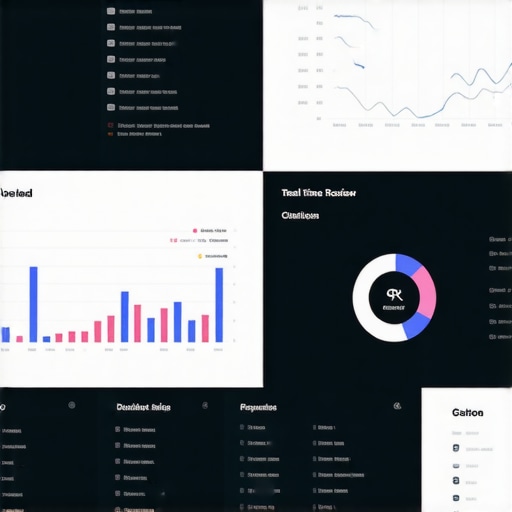
Illustration of a professional dashboard displaying review and citation analytics, showing the importance of tracking local signals over time.
Throughout my journey to master Google Maps rankings, I encountered unexpected truths that reshaped my approach entirely. One pivotal lesson was how Google’s algorithms prioritize relevance over sheer volume; no matter how many reviews or citations I amassed, if they weren’t strategically aligned with my niche, my rankings remained stagnant. This realization underscored the importance of targeted signals and authentic community engagement, transforming my perspective from quantity to quality.
Another insight was the power of local partnerships. Collaborating with nearby businesses and community events didn’t just boost my local presence—they created valuable backlinks and trust signals that Google couldn’t ignore. This taught me that building genuine relationships within your locale is a cornerstone of sustainable ranking success, far beyond traditional SEO tactics.
Lastly, I discovered that regular, iterative refinements—like refreshing your Google My Business profile or updating your service offerings—signal vitality and expertise. Consistent, authentic activity keeps your listing vibrant, encouraging Google to favor you in the map pack. These lessons proved that behind the scenes of ranking success lies a blend of strategic relevance, community connection, and persistent value addition—principles that anyone serious about local SEO should embrace.
My Essential Toolkit for Map Pack Mastery
To navigate the complex landscape of Google Map rankings, I rely on trusted tools like Grade.us for review management, ensuring I stay responsive and engaged. Citation audits with BrightLocal help me maintain consistency across directories, preventing ranking slips. For keyword research and competitive analysis, I turn to Ahrefs, which offers invaluable insights tailored to my local market. These tools collectively empower me to stay proactive and data-driven in my map optimization efforts.
Keep Moving Forward, and Let Your Map Supremacy Shine
Remember, the journey to top Google Maps rankings is ongoing, requiring dedication, adaptation, and a genuine understanding of your local community. Embrace these lessons learned, leverage your toolkit effectively, and stay committed to authentic engagement. Your business’s visibility and success depend on it—so don’t hold back. Dive into the comprehensive strategies available at this guide and start making tangible progress today. Your future top spot in the map pack is within reach—go claim it!.

![Why Your Maps Professional Ranking is Stuck at #4 [2026 Fixes]](https://localmaprankingpro.com/wp-content/uploads/2026/02/Why-Your-Maps-Professional-Ranking-is-Stuck-at-4-2026-Fixes-428x400.jpeg)
![6 Map Listing Ranking Secrets for Micro-Neighborhood Pins [2026]](https://localmaprankingpro.com/wp-content/uploads/2026/03/6-Map-Listing-Ranking-Secrets-for-Micro-Neighborhood-Pins-2026-428x400.jpeg)